In an era where digital transformation is accelerating across industries, identity verification has become a critical foundation of security and trust. Traditional methods—passwords, cards, and manual checks—are no longer sufficient to meet the demands of modern environments.
Today, biometric identity verification solutions are redefining how individuals are authenticated by combining multiple technologies into a single, intelligent system. By integrating biometric recognition (such as fingerprint, iris, and facial data) with official document verification (ID cards and passports), these solutions deliver a powerful balance of security, efficiency, and user convenience.
Rather than relying on a single method, modern systems adopt a multi-layered approach, ensuring that identity is verified accurately—even in complex, high-risk scenarios.
A Multi-Modal Approach to Identity Verification
At the core of next-generation identity systems is multi-modal authentication—the ability to verify identity using multiple independent factors.
These typically include:
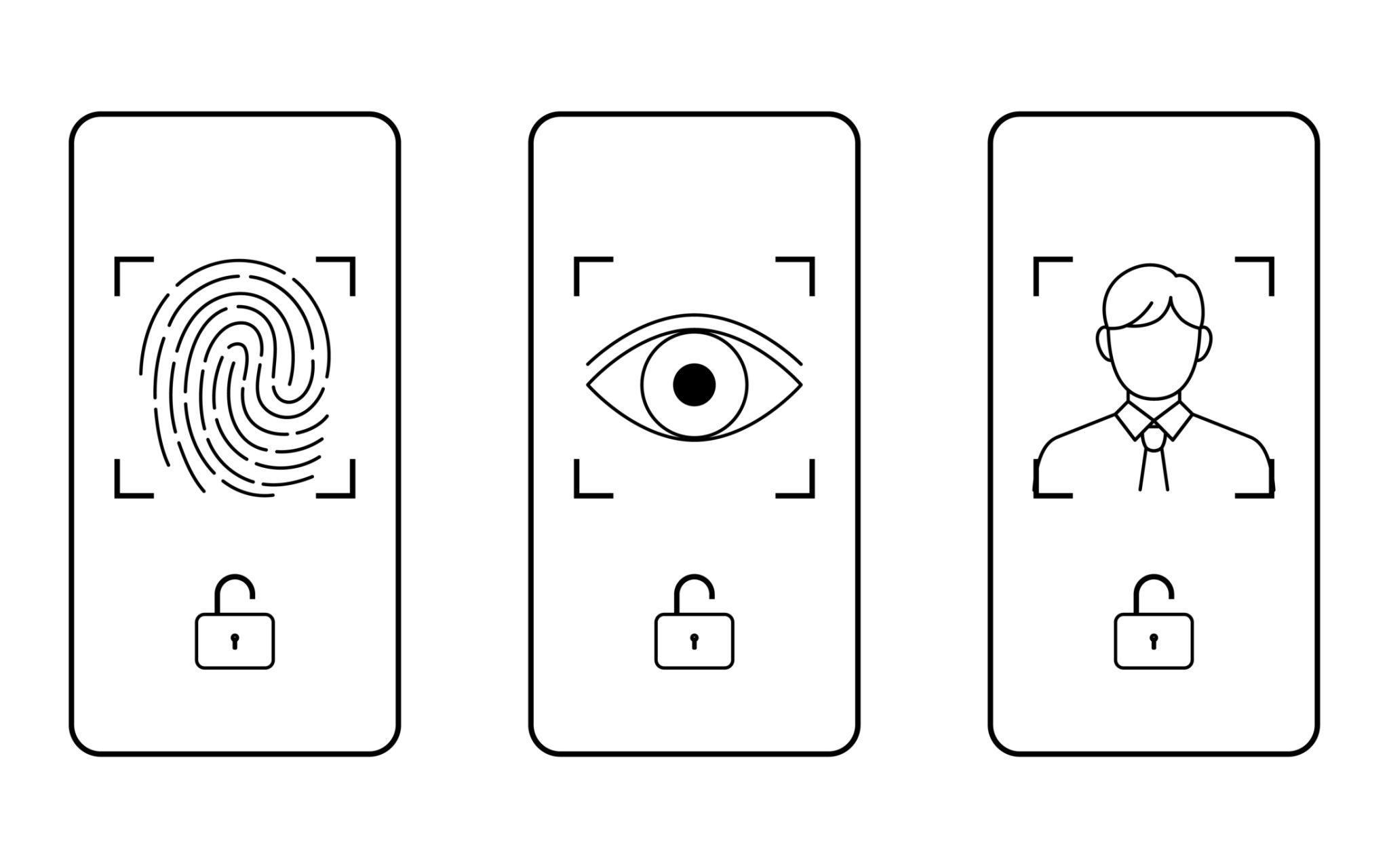
- Fingerprint Recognition – Proven reliability and widespread adoption
- Iris Recognition – Exceptional precision for high-security applications
- Facial Recognition – Fast, contactless identity confirmation
- ID Card Verification – Structured personal data validation
- Passport Authentication – Globally standardized identity proof
By combining these methods, organizations can design flexible authentication workflows, selecting the appropriate level of verification based on context, risk level, and operational requirements.
How AI Powers Intelligent Identity Systems
Data Fusion and Cross-Verification
AI enables the system to synthesize data from multiple sources, building a unified identity profile. Instead of evaluating each input separately, the system cross-checks:
- Biometric data
- Document information
- Contextual signals
This significantly improves accuracy and reduces the likelihood of identity fraud.
Real-Time Processing and Adaptive Authentication
Modern identity verification systems operate in real time, allowing instant decision-making. AI-driven engines can dynamically adjust authentication requirements:
- Low-risk scenarios → single biometric verification
- High-risk scenarios → multi-factor verification (e.g., fingerprint + iris + passport)
This adaptive authentication model ensures both efficiency and security.
Liveness Detection and Anti-Spoofing
Security is further enhanced through liveness detection technologies, which ensure that biometric inputs come from a real, present individual.
- Fingerprint systems detect live tissue characteristics
- Iris systems analyze natural eye responses
- Facial systems verify depth, motion, and infrared signals
Together, these mechanisms form a robust defense against spoofing and impersonation.
Key Benefits of Integrated Identity Verification
Enhanced Security
Multi-layer authentication dramatically reduces:
- Unauthorized access
- Identity spoofing
- False acceptance rates
Even if one factor is compromised, additional layers maintain system integrity.
Operational Efficiency
Automation powered by AI enables:
- Faster identity verification processes
- Reduced queues in high-traffic environments
- Lower dependency on manual checks
Seamless User Experience
Despite its complexity, the system delivers a frictionless experience:
- Contactless or minimal-contact interactions
- Rapid authentication (often within milliseconds)
- Intuitive workflows for users
Applications in the Commercial Sector
Finance, Retail, and Services
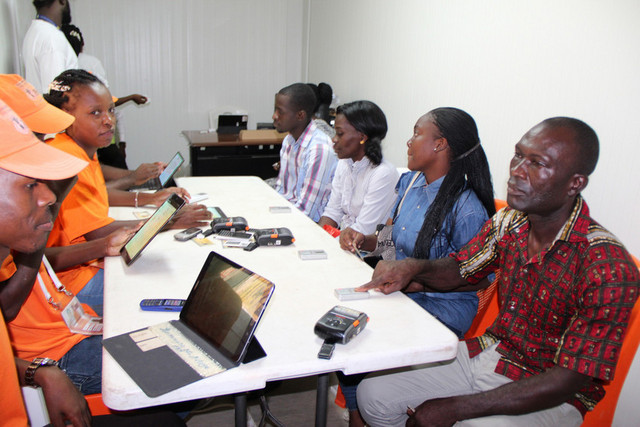
In commercial environments, identity verification supports:
- Secure financial transactions
- Fraud prevention in digital banking
- Faster customer onboarding and authentication
This creates a smooth, secure, and efficient user journey across services.
Applications in Government and Public Sector
Border Control and National Security
Governments deploy multi-modal identity systems for:
- Immigration and border management
- Passport and visa verification
- Watchlist identification
Combining biometric and document-based verification ensures highly accurate and tamper-resistant identity validation.
Public Safety and Law Enforcement
Integrated identity systems enable:
- Rapid identification of individuals
- Cross-database verification
- Real-time response capabilities
This strengthens public safety infrastructure and operational efficiency.
Civil Identity and Public Services
Biometric identity verification ensures:
- Accurate citizen identification
- Secure distribution of social benefits
- Reduced fraud in public programs
It forms the backbone of modern digital governance.
The Future of Identity Verification
Looking ahead, identity verification systems will become increasingly:
- Adaptive – adjusting security levels dynamically
- Interoperable – compatible across regions and platforms
- Intelligent – leveraging AI for predictive and contextual analysis
These advancements will lead to fully unified identity ecosystems, where verification is seamless, secure, and embedded into everyday interactions.
Conclusion
Biometric identity verification solutions represent a shift from isolated technologies to holistic, multi-layered systems. By combining biometric modalities such as fingerprint, iris, and facial recognition with document authentication, they deliver:
- Stronger, multi-dimensional security
- Faster and more efficient operations
- A seamless and user-friendly experience
As adoption continues to grow across commercial and government sectors, these solutions are becoming the foundation of trusted identity in the digital age—enabling a future where security and convenience coexist effortlessly.