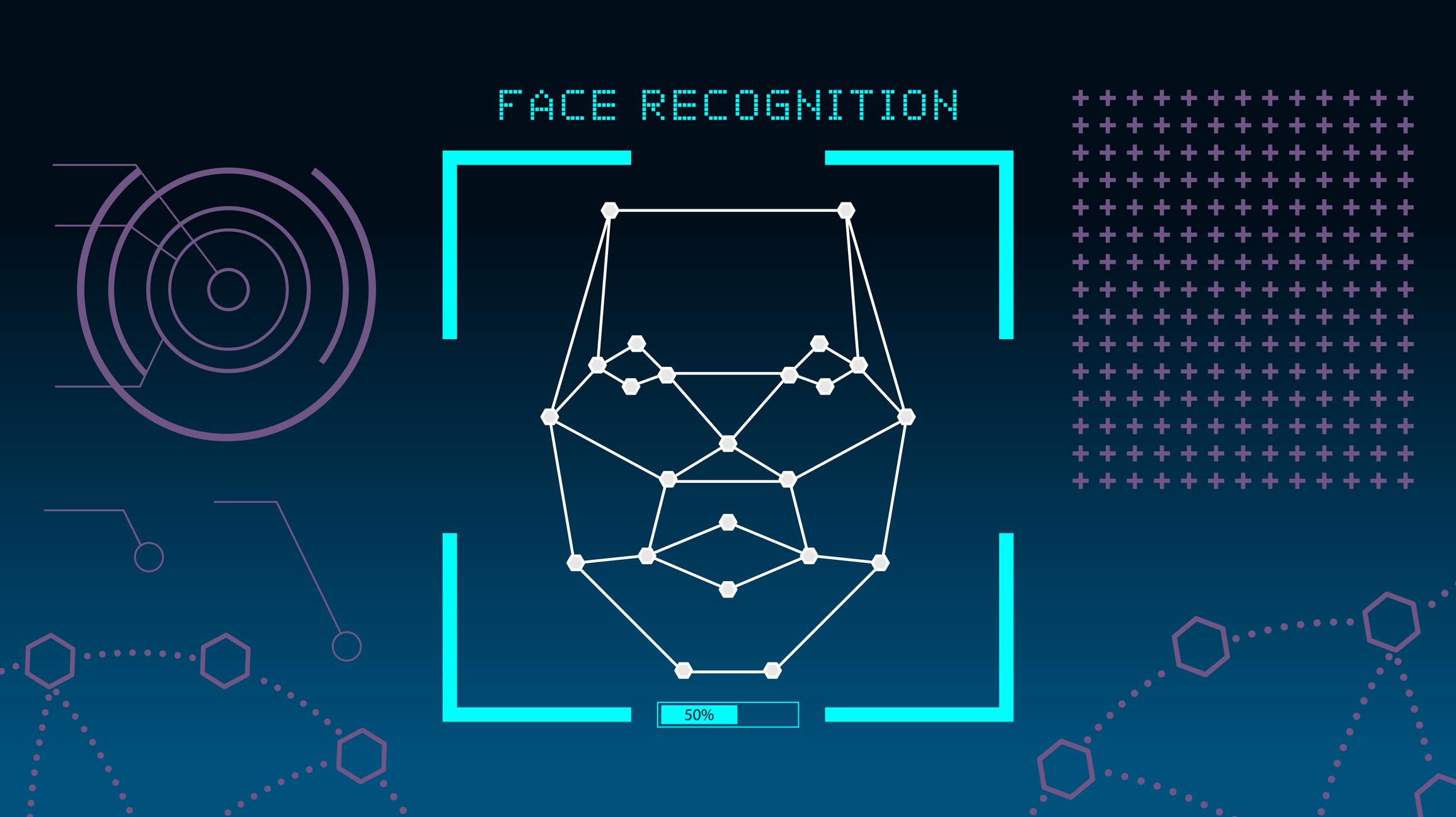
 In recent years, AI-powered dynamic facial recognition has emerged as one of the most transformative biometric technologies. Unlike traditional static recognition systems, dynamic facial recognition operates on real-time video streams, continuously capturing, analyzing, and matching facial data with remarkable speed and precision. Powered by advances in artificial intelligence, deep learning, and computer vision, it is redefining how identity is verified across security, enterprise, and public infrastructure.
This technology does not merely “see” a face—it interprets, models, and understands it in motion, enabling seamless and contactless authentication in complex real-world environments.
Core Technical Principles
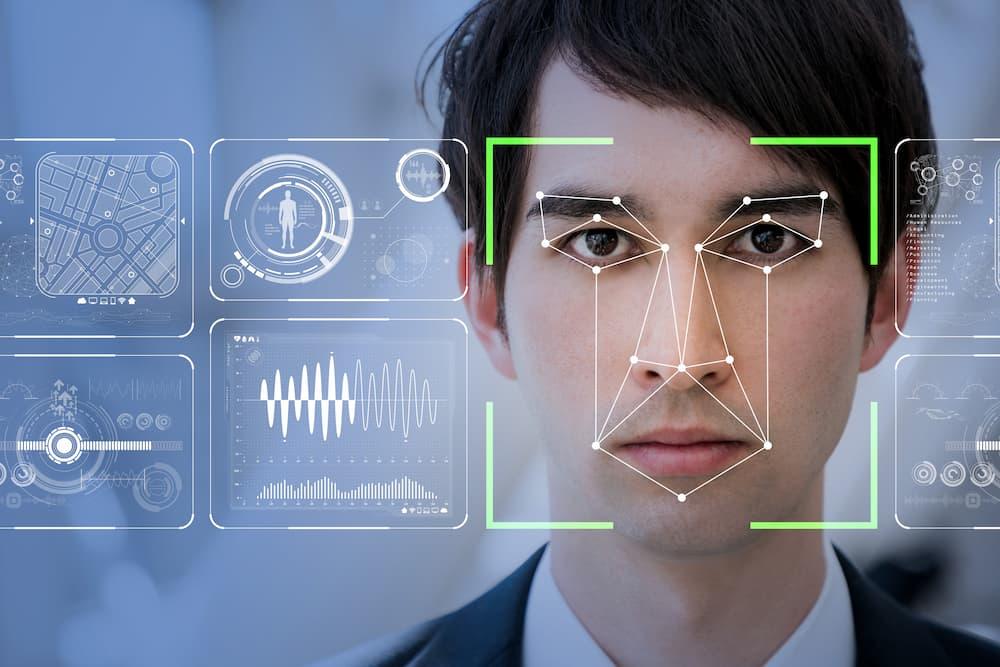 1. Liveness Detection: Defending Against Spoofing
At the heart of dynamic facial recognition lies liveness detection, a critical mechanism designed to distinguish real human presence from fraudulent attempts such as photos, videos, or masks.
Modern systems utilize:
- Dual-camera setups (infrared + visible light)
- Depth sensing and micro-expression analysis
- Reflection and texture detection
These techniques ensure that the system verifies a living subject in real time, significantly reducing the risk of spoofing attacks and identity fraud.
2. Feature Extraction: From Face to Digital Identity
AI models—often based on deep neural networks such as ResNet or ArcFace—convert facial images into high-dimensional feature vectors (e.g., 512-dimensional embeddings).
These vectors encode:
- Facial geometry (distance between eyes, jawline, contours)
- Skin texture and micro-features
- 3D structural information
This transformation allows machines to compare faces mathematically rather than visually, dramatically improving accuracy and scalability. Similar approaches, such as embedding-based recognition systems, have achieved accuracy levels above 99% in benchmark datasets.
3. Dynamic Matching: Real-Time Identification
Dynamic facial recognition systems operate on continuous video streams, enabling:
- Real-time face detection and tracking
- Multi-face recognition simultaneously
- Tolerance for pose variations (±30° or more)
Thanks to optimized AI models, modern systems can process frames within milliseconds, achieving near-instant identification in live environments.
Key Technical Characteristics
High Accuracy
State-of-the-art facial recognition algorithms have reached extremely high accuracy levels, with some systems exceeding 99.5% in operational scenarios such as airport boarding verification.
This level of precision minimizes both:
- False Acceptance Rate (FAR)
- False Rejection Rate (FRR)
Strong Environmental Adaptability
Advanced imaging technologies, such as wide dynamic range (WDR) cameras (120dB+), allow systems to function effectively under:
- Backlighting
- Low-light or nighttime conditions
- Complex indoor/outdoor environments
AI models also continuously improve through training, enhancing robustness in real-world deployments.
Ultra-Fast Response
With optimized hardware (e.g., GPU acceleration), recognition latency can be reduced to under 200 milliseconds, enabling:
- Frictionless access control
- Instant identity verification
- Seamless user experiences
Real-time processing capabilities now allow systems to operate at video frame rates, making them suitable for high-throughput scenarios.
Key Application Scenarios
1. Security and Public Safety
Dynamic facial recognition has become a cornerstone of modern security infrastructure, particularly in:
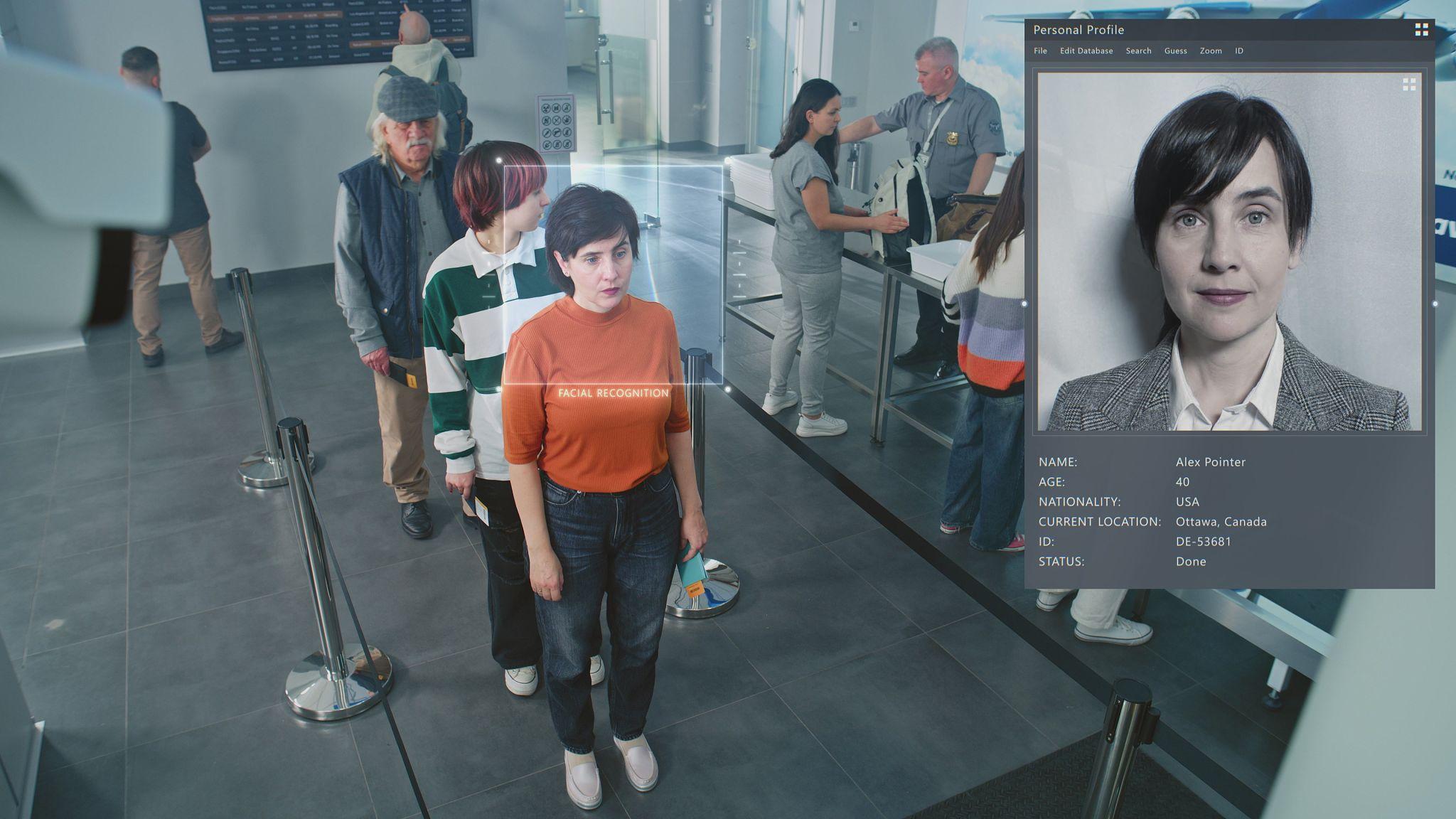
Airports and Border Control
- Automated identity verification at immigration gates
- Contactless passenger boarding
- Real-time matching against watchlists
Facial recognition enables fast, accurate identity confirmation without physical documents, improving both security and passenger flow.
Law Enforcement and Surveillance
- Real-time blacklist detection
- Criminal tracking across camera networks
- Forensic video analysis
By leveraging one-to-many database matching, authorities can rapidly identify individuals within large populations, significantly enhancing response efficiency.
2. Smart Office and Enterprise Management
In enterprise environments, dynamic facial recognition is reshaping workplace operations through automation and contactless interaction.
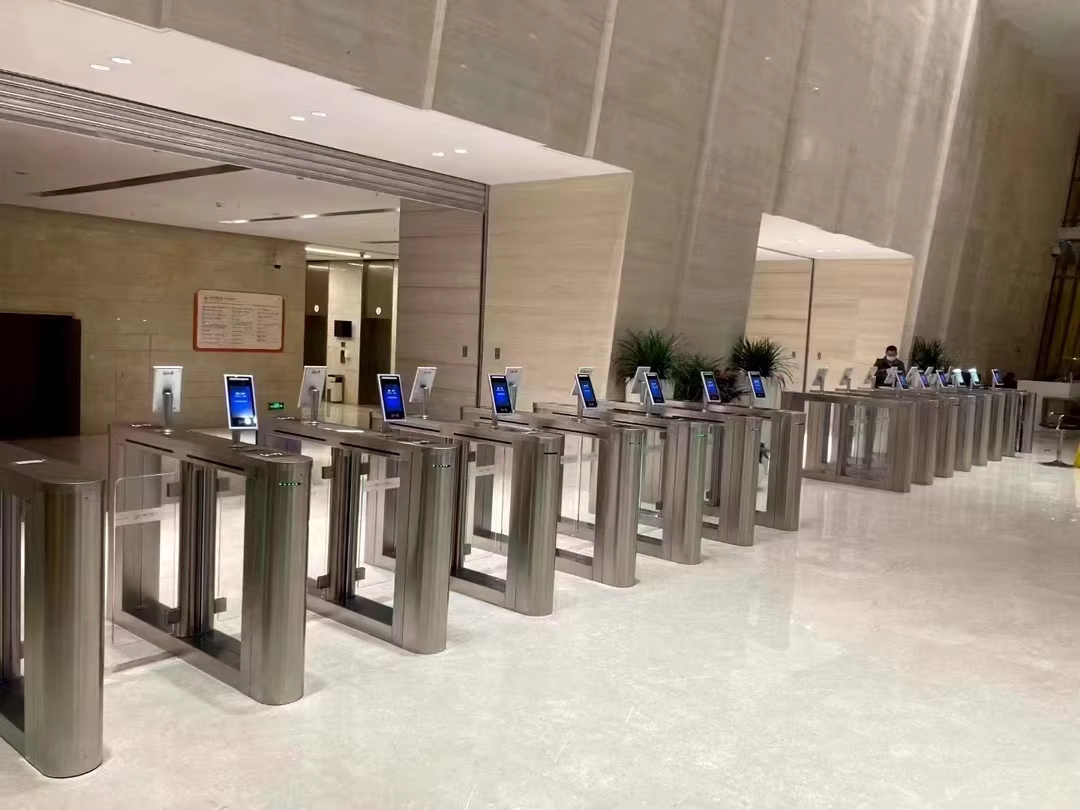
Contactless Attendance
- Eliminates badge-based or manual check-ins
- Prevents “buddy punching” and time fraud
- Enables seamless workforce tracking
Intelligent Access Control
- Facial authentication for restricted areas
- Role-based access for meeting rooms or departments
- Integration with security and HR systems
These systems provide a frictionless yet highly secure experience, replacing traditional credentials with biometric identity.
Standards and Compliance
To ensure interoperability and global consistency, facial recognition systems often adhere to international standards such as:
- ISO/IEC 19794-5: Defines biometric face image data formats for storage and exchange
- NIST FRVT (Face Recognition Vendor Test): Benchmarks algorithm performance and accuracy
These frameworks help ensure that systems are reliable, interoperable, and compliant across different regions and industries.
Conclusion
AI-driven dynamic facial recognition represents a significant leap forward in biometric technology. By combining liveness detection, deep learning-based feature extraction, and real-time matching, it delivers:
- Exceptional accuracy
- Real-time responsiveness
- Robust performance in complex environments
From securing borders to enabling intelligent workplaces, this technology is rapidly becoming a foundational layer of digital identity systems.
As AI continues to evolve, dynamic facial recognition will move beyond identification—toward context-aware, adaptive, and predictive identity intelligence, shaping the future of security and human-machine interaction.