 As digital transformation accelerates across industries, digital identity systems are becoming a foundational layer of modern society. From accessing financial services and government programs to enabling secure online transactions, digital identity is reshaping how people interact, work, and participate in the global economy.
Yet, despite its growing influence, one critical question remains insufficiently explored:
What makes a digital identity system truly trustworthy?
The Hidden Complexity Behind Digital Identity
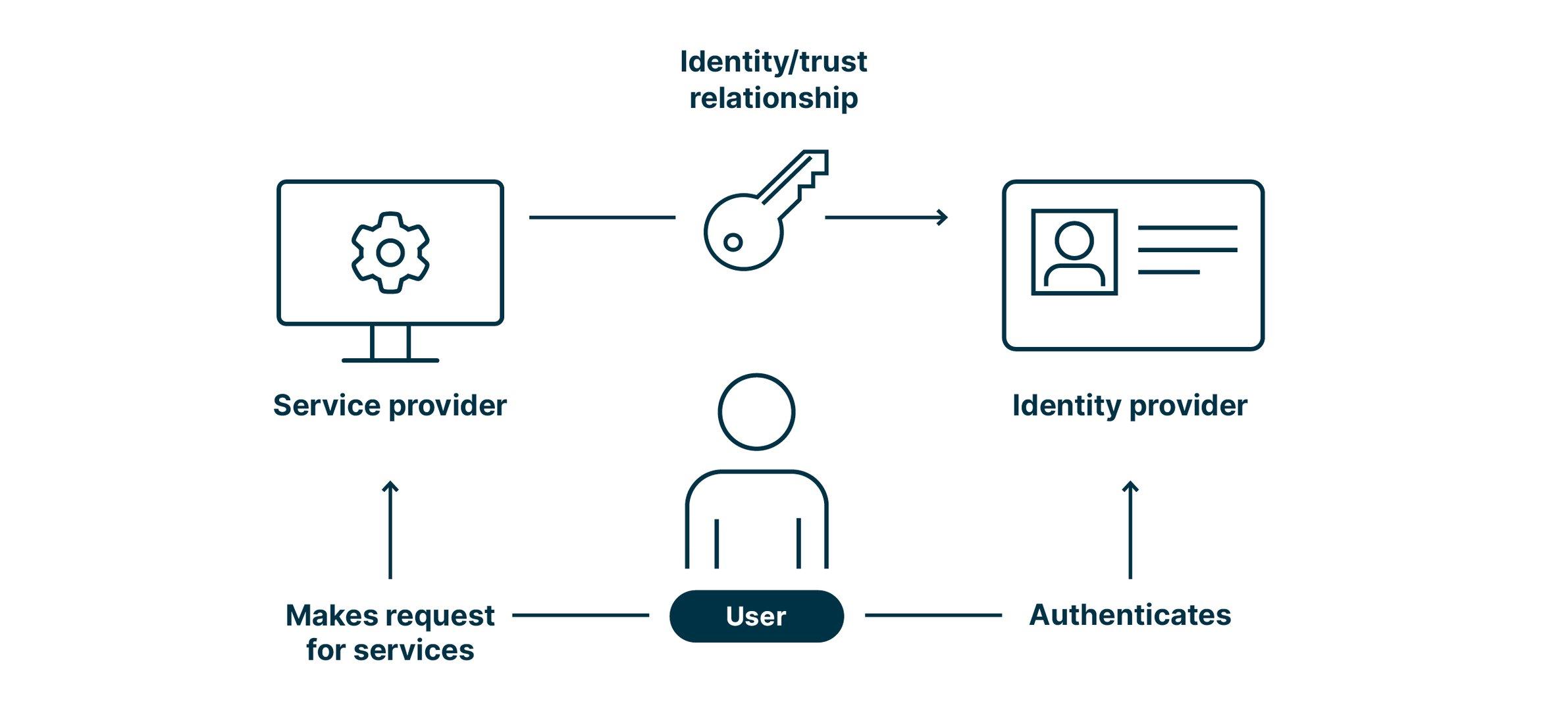
At first glance, trusting a digital identity system may seem intuitive. Many users accept these systems as part of everyday life, often prioritizing convenience and efficiency over deeper concerns about trust and risk.
However, the reality is far more complex.
Modern identity ecosystems rely on interconnected components, including:
- Distributed data storage systems
- Extensive network infrastructures
- Integration with third-party services and organizations
These systems do not operate in isolation. Instead, they form a dynamic ecosystem where risks evolve continuously—especially as adoption expands across different regions and use cases.
Many existing solutions originate in developed economies, benefiting from advanced smartphone penetration and communication infrastructure. But when deployed in low- and middle-income countries, these systems face new challenges, including infrastructure gaps, regulatory differences, and heightened vulnerability to misuse.
Trust Goes Beyond Technical Security
When discussing trust in identity systems, the focus often centers on technical security—encryption, authentication, and data protection.
While these are essential, they are only part of the picture.
Building a truly trustworthy digital identity system requires a broader framework. A comprehensive approach should consider six critical dimensions:
1. Security
Protection against unauthorized access, breaches, and cyber threats.
2. Privacy
Ensuring that personal data is collected, stored, and used responsibly.
3. Ethics
Preventing misuse, discrimination, or exclusion caused by system design or data practices.
4. Resilience
The ability to withstand disruptions, attacks, or system failures.
5. Robustness
Maintaining consistent performance across different environments and conditions.
6. Reliability
Delivering accurate and dependable identity verification over time.
Together, these dimensions form the foundation of trust assurance in digital identity systems.
The Role of Institutions in Building Trust
Trust in digital identity is not just about technology—it is also about people and institutions.
Today, a growing number of stakeholders are responsible for managing identity data, including:
- Governments
- Financial institutions
- Service providers
- NGOs and humanitarian organizations
These entities handle highly sensitive data that can reveal deep insights into individuals and communities. As a result, trust depends on whether these organizations operate with:
- Legal compliance
- Professional competence
- Transparency
- Integrity
Without these principles, even the most advanced technology can fail to gain user confidence.
Innovation Opportunities in Digital Identity

The evolving digital identity landscape is also opening the door to significant innovation. Key areas of development include:
- Open-source technologies and interoperable interfaces
- Flexible system architecture models
- Privacy-enhancing technologies (PETs) for secure data management
- Intelligent algorithms capable of detecting anomalies and adapting in real time
These innovations aim to create systems that are not only secure but also adaptive, inclusive, and context-aware.
Why Trustworthy Design Is No Longer Optional
As governments, enterprises, and public service organizations increasingly rely on digital identity systems, the stakes continue to rise.
Digital identity now plays a critical role in:
- Accessing essential services
- Conducting business transactions
- Enabling financial inclusion
- Exercising civic rights
In this context, trust is no longer a secondary consideration—it is a core requirement.
A poorly designed identity system can lead to exclusion, data misuse, or systemic vulnerabilities. Conversely, a well-designed, trustworthy system can empower individuals, strengthen institutions, and unlock new economic opportunities.
Final Thoughts
Digital identity is not just a technology—it is an ecosystem that shapes how people connect with society.
To ensure its long-term success, organizations must move beyond basic security and embrace a holistic trust framework—one that integrates technology, governance, and ethical responsibility.
Only then can digital identity systems truly deliver on their promise:
secure, inclusive, and trustworthy access for everyone.